How to Move House Plants from Your Garden The Most Efficient Way
Before you ship your plants across the country by mail, there are a few things to consider. You must ensure that they are prepared for the relocation and that you have all of the necessary packing materials. Your plant isn’t just another ornamental item to pack, but you already know that. Your plant will need some preparation for the adventure ahead. You should begin preparing your foliage a month prior to the move. This is especially critical if you have species that require a lot of attention.
Prepare Everything Before Moving
There are several stages before the move where you have to prepare your foliage. You’ll need to make preparations a month, a week, and a few days before. Pruning your flora and removing any dead sections and leaves should be done a month before the relocation date. They can be a safety hazard during the move, in addition to draining energy from the healthy sections.
Remove all dust, vermin, and weeds a week before the move, and re-pot your beloved green guests in plastic containers that have sterile soil a few days before you move to give them time to settle.
In case you have to make a pause overnight on your way to your new house, you should take your plant out of the truck and bring it with you. Even if you have done so before hitting the road, make sure you water it on the road if the soil appears to be too dry. While traveling, some air and mild indirect sunlight would be much appreciated by your vegetation.
Get The Roots Ready
Carefully remove the plant from the soil, and save any cuttings you may have taken during this process to start a new herb. This can be done by loosening the soil around the roots and then gently pulling them away from the plant. If there are any large clumps of dirt, these should be broken up as well.
Once the roots are ready, they can be wrapped in a damp cloth or newspaper and placed in a container filled with moist soil. The plant should then be placed in a shady spot until it is ready to be moved to its new location. Remember not to totally wash the roots since the soil will aid in their survival on the journey to your home.
Wrap With Damp Paper Towels Or Newspaper
Wrap the roots in paper towels or newspapers that have been soaked in water. Place the greenery in the middle of the paper and coil it around the roots, leaving any foliage on the outside. Rubber bands or twist ties can be used to attach the greenery. Cover everything with a couple of layers of newspaper for added protection.
Place It In A Plastic Bag
Place the roots in a small bag after wrapping them in the damp paper. Keep the bag open since your bloom will need both air and water to thrive. To produce padding and stability, encircle the smaller bag with larger ones.
Choose The Appropriate Moving Box
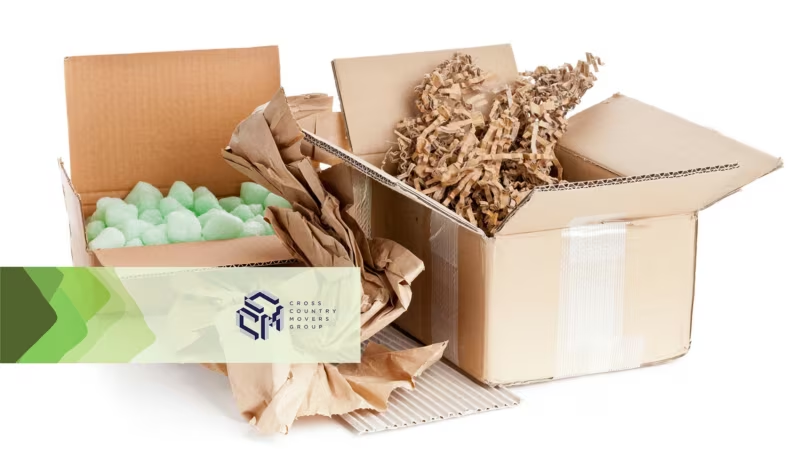
You’ll want to make sure your plants make it to your new garden alive. This is why you should invest in a moving box that will adequately safeguard your belongings during the move. Because moving boxes aren’t often treated with the utmost care, you’ll want to pick the strongest box you can locate for this job.
Keep The Container’s Contents Safe
One of the most common suggestions for transporting live flora is to make sure they don’t move around inside their container. To keep your pot or bag from rumbling within the box, use newspapers, bubble wrap, or even packing paper. Finally, when you’ve secured everything, tape up the box as many times as necessary to keep it sturdy during the journey to your new house.

You’ll Have to Transport Plants on Your Own
Relocating your foliage is also something you should think about. While they can provide you with packing services and excellent car shipping, most professional cross-country movers will not agree to relocate live plants for you because of several reasons. First of all, plants are among the items movers won’t move due to being alive. In some cases, they’ll need special permission to do this because they are potential parasites and pest transmitters. Also, there is a big chance that they will not survive the heat in the back of the truck. If you really want to move some of your houseplants that aren’t very big, you can do this yourself.
You should consider leaving them to a neighbor or someone you believe will take care of them. This can also be a friend or a family member who has more space in their home than you at your new apartment. If you know that they always admired the orchid you kept in your living room, this can be a perfect goodbye gift for them – something that will always remind them of you and your friendship.

How to Safely Move your Plants?
When deciding how to safely move house plants, keep in mind that due to their sensitive nature, a cross-country moving company will most likely be unable to accommodate your request to care for your herbs. The skilled long-distance mover, on the other hand, can advise you on how to properly package your flora and keep them safe throughout shipping. Remember that the most crucial aspect of any long-distance moving service is safety.
Moving to Another State Might Be Overwhelming
If you can’t imagine your home without your favorite plants, or if some of them have sentimental value, don’t be afraid to bring them along. If you have some in your garden that are too large to be dug up and transported, you can take a cutting and transplant it into your new garden after adequate nurturing. Even though moving with indoor or outdoor plants isn’t easy, following these guidelines will ensure a seamless and stress-free transition.