
Pianos, safes, art and awkward weight
Specialty item moving
Some things cannot go in a carton: a grand piano, a gun safe, a marble top, a canvas worth more than the sofa it hangs above. Each moves on its own plan, with the crew, the crate and the paperwork chosen for the piece.
- Pianos boarded, wrapped, stair-crewed
- Crated in-home built around the piece
- Over $100 a pound declared on the documents
- USDOT 2138595 · MC-744411 checkable on FMCSA SAFER

What makes an item a specialty move
An item earns the word specialty in one of three ways. Its weight is concentrated in a small footprint, like a safe or a piano. Its value is concentrated, like a canvas, an instrument or an antique that cannot be bought again. Or its geometry fights the house: a gym rig, a marble top, a sheet of glass. Each of the three fails differently in untrained hands, so each gets a different plan.
Weight: safes and pianos
The survey settles the plan before the day: what the piece weighs, which floor it lives on, how many stairs and turns stand between it and the truck. A piano is boarded and wrapped in the room, the stair carry gets a crew sized for the load, and the floors and rails along the path are protected before anything lifts.
Value: art and antiques
What cannot survive a carton is crated in your home, in a crate built around the piece rather than a box it approximately fits. Condition is noted on the inventory as it leaves, and at delivery the piece is placed and checked against that note, not parked in the nearest dry corner.
The paperwork that matters more here
Valuation decides what a claim is worth, and high-value pieces are exactly where the defaults bite. Federal rules make full value protection the default; released value pays sixty cents per pound and must be chosen in writing; and anything worth more than a hundred dollars a pound has to be declared on the shipping documents, or liability for it may be limited even under full value protection. Moving insurance and valuation walks through both levels.
Geometry: the things that fight the stairs
Gym equipment comes apart into labeled hardware and goes back together at delivery. Doors come off hinges when the survey says they must. The awkward piece rides braced in the truck rather than wedged, because a thing that cannot shift cannot arrive marked.
- Crating
- In your home built around the piece, before it moves
- Declaration line
- Over $100 / lb listed on the shipping documents
- Free level pays
- 60¢ / lb released value, only if chosen in writing
- Delivery
- Placed into the room, reassembled
Sixty cents per pound and the hundred dollars per pound threshold are federal valuation levels, quoted from the FMCSA’s consumer rules, not ours.
Before the truck is booked
Three decisions that decide the outcome
Every one of them happens before moving day. A specialty piece is won or lost at the survey and on the paperwork, not on the stairs.
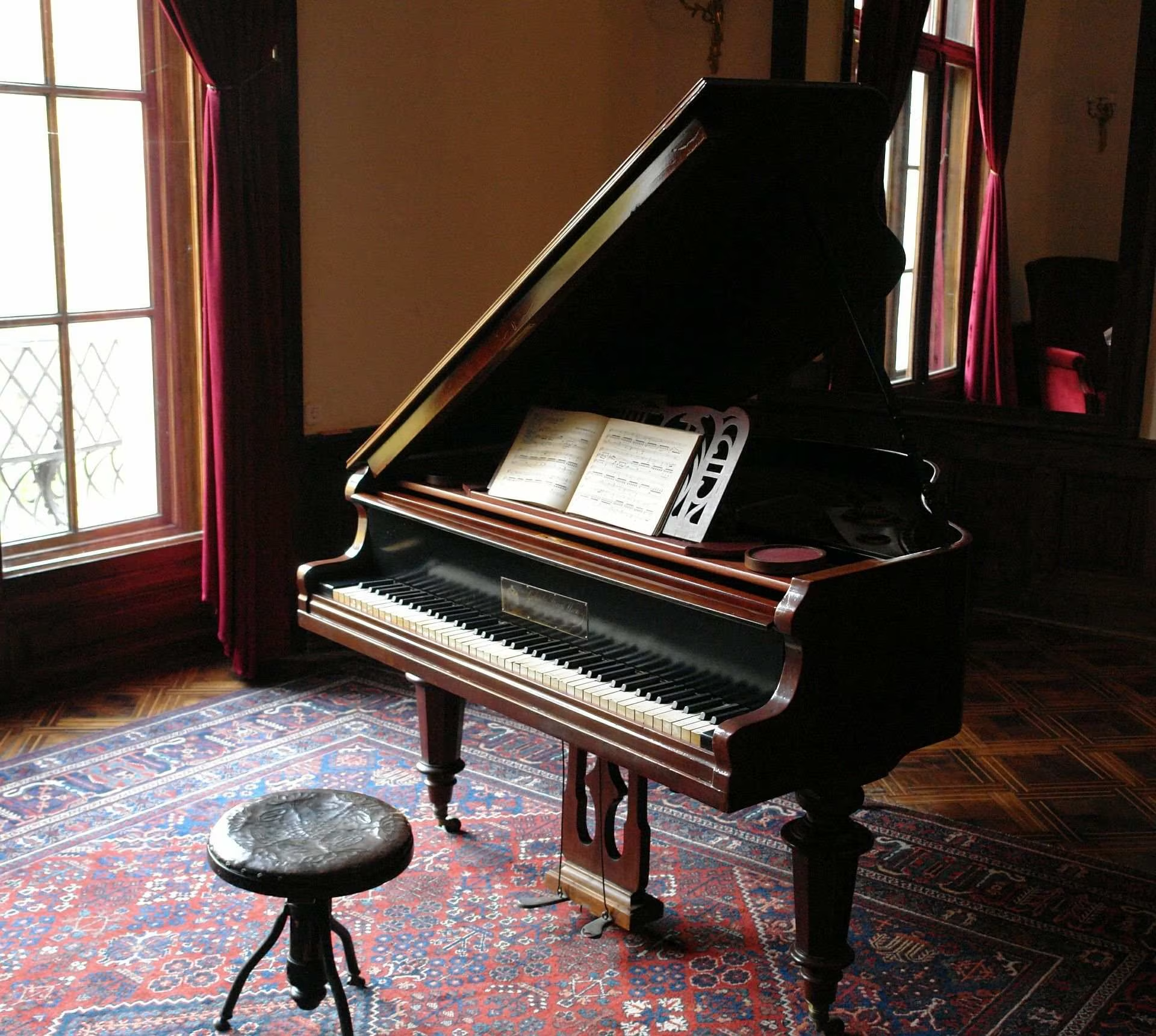
1 plan per piece, set at the survey
Say what the piece is
The crew size, the equipment and the crate are all answers to survey questions: what is it, what does it weigh, what stands in its way. Naming the piece early is the whole difference between a plan and an improvisation.
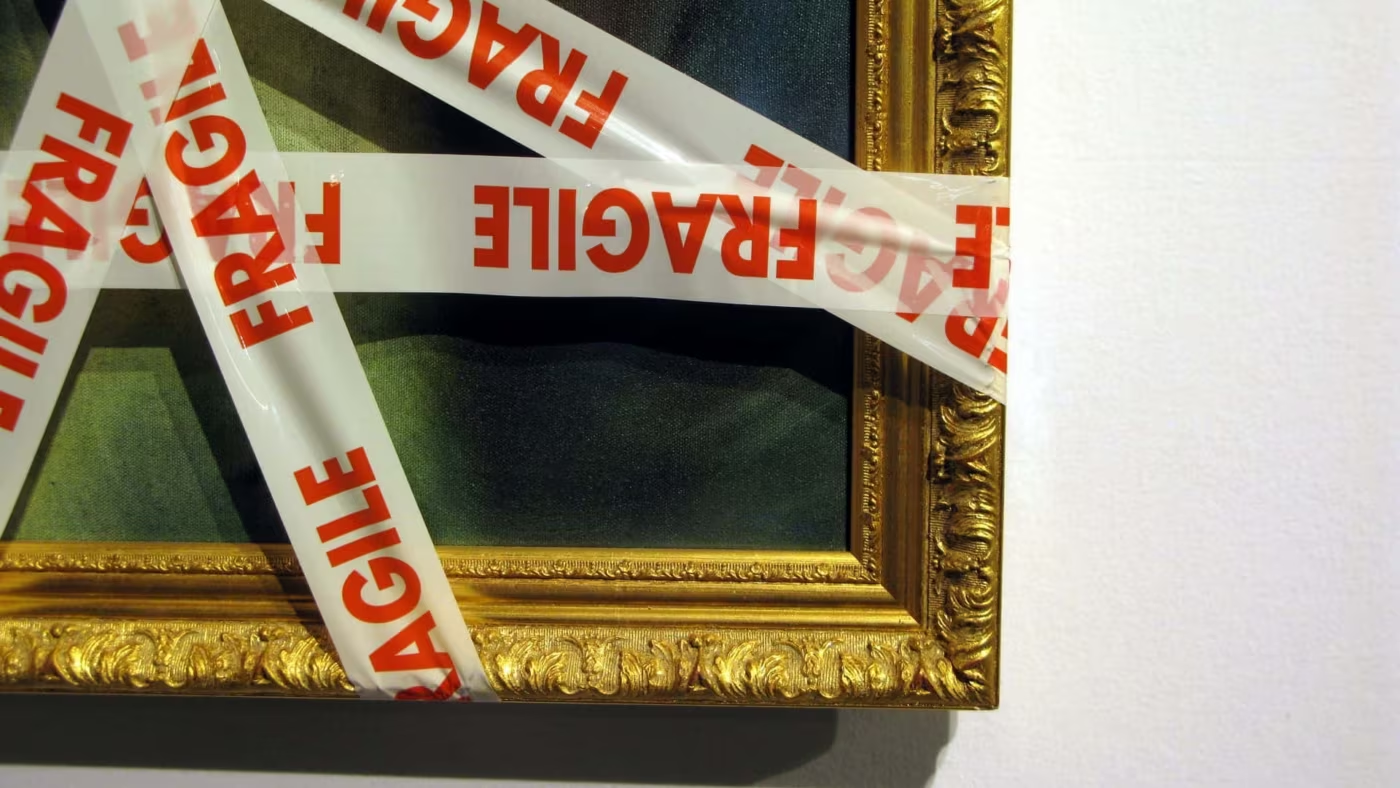
$100 per pound is the declaration line
Declare the expensive thing
Anything worth more than a hundred dollars a pound counts as extraordinary value under federal rules, and it must be listed on the shipping documents. Undeclared, liability for it may be limited even under full value protection.
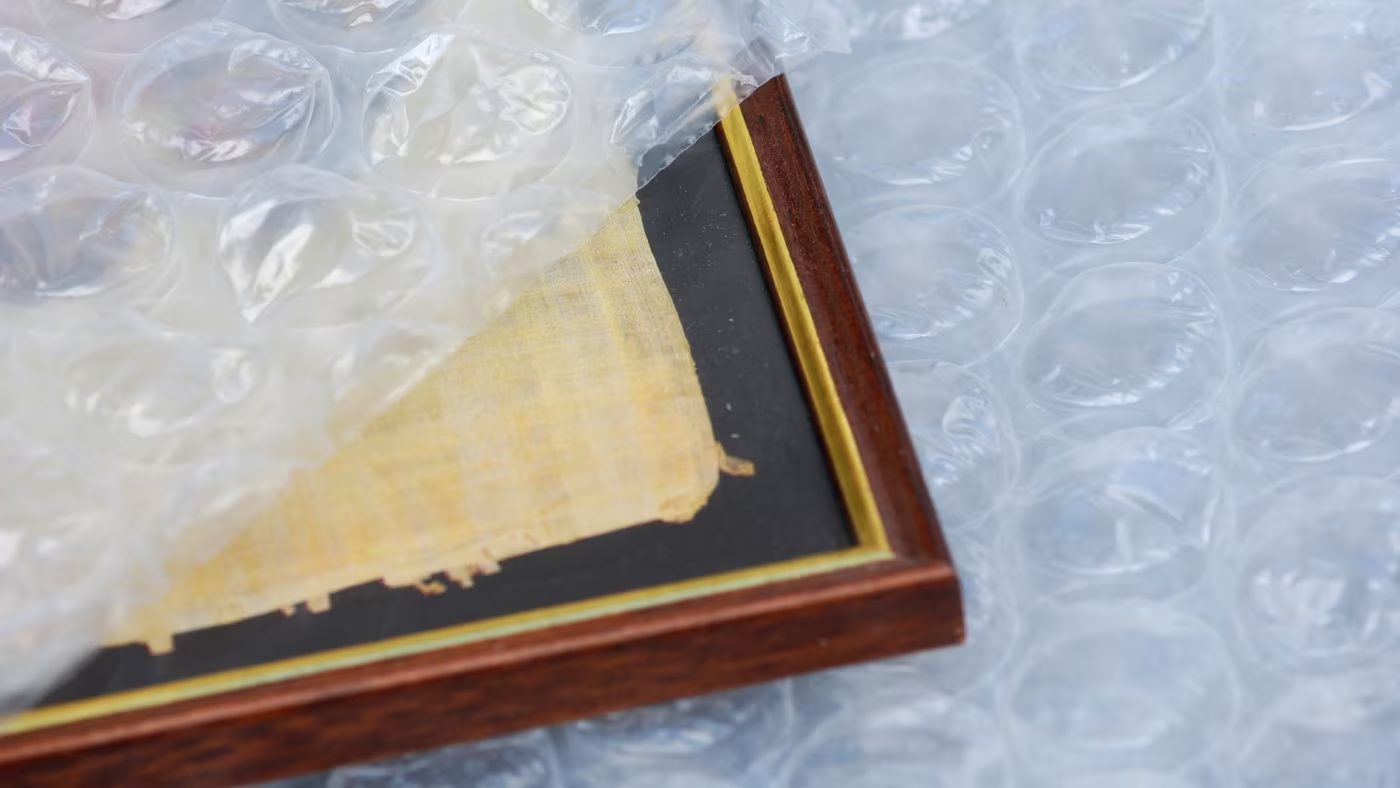
60¢ per pound is all released value pays
Do not take the free cover by accident
Released value costs nothing and pays sixty cents per pound per article, which on a light, valuable piece is close to nothing. Full value protection is the default unless released value was chosen in writing. Choose deliberately.
The valuation figures are the FMCSA’s. Both levels, and the gap neither covers, are explained on the moving insurance page.
What it costs
What moves the price on a specialty piece
A specialty piece is priced on what it is and what stands between it and the truck. The variables below are the whole story; a dollar figure without them would be a guess wearing confidence.
| Piece | Priced on | Prep | The variable that matters |
|---|---|---|---|
| Piano grands come apart, uprights ride whole | Type and the stairs | Boarded and wrapped in the room | Upright or grand |
| Safe the survey asks bluntly | Weight and access | Equipment sized to the answer | Which floor it lives on |
| Art and antiques and checked at delivery | Crate count | Crates built in-home | Condition noted at the door |
| Gym equipment racks travel as parts | Disassembly time | Labeled hardware | Reassembly at the far end |
No dollar figures, deliberately: the same piano is a different move on a third-floor walk-up. Anything worth more than one hundred dollars a pound is declared on the shipping documents — a federal valuation line, explained in full on the moving insurance page.
Price a specialty moveHow a specialty piece moves
Four stages, and the first one does most of the work: a specialty move is planned at the survey, not improvised at the door.
-
Name the piece at the survey
The survey asks what it is, roughly what it weighs and what stands between it and the truck: stairs, turns, doorways, floors that mark. The plan and the crew size come from those answers.
-
Prep and crate
Wrapping and crating happen in your home before anything moves. A piano is boarded and wrapped, art and antiques get crates built around them, and gym rigs come apart into labeled hardware.
-
The carry
Floors and rails along the path are protected first. The crew that arrives is sized for the weight, with the boards, dollies and straps the survey called for, and the piece rides braced rather than wedged.
-
Placement
At delivery the piece goes into the room it belongs in, is reassembled where it came apart, and its condition is checked against the inventory note written when it left. Parked in a garage is not delivered.
The other five
All servicesEverything is priced separately, so you can take one of these or all of them.
-
Long distance moving
Interstate household moves priced by weight and mileage, on a binding estimate, with a written delivery spread.
-
Auto transport
Open or enclosed, door to door or terminal to terminal, on the same order as the household goods.
-
Packing and crating
Partial or full, materials included, with custom crates for what will not survive a carton.
-
Storage
Thirty days included on a long distance move, in a facility we control, released on a date you set.
-
Moving insurance
What released value and full value protection actually pay, and the one thing neither covers.
The pieces, and what protects them

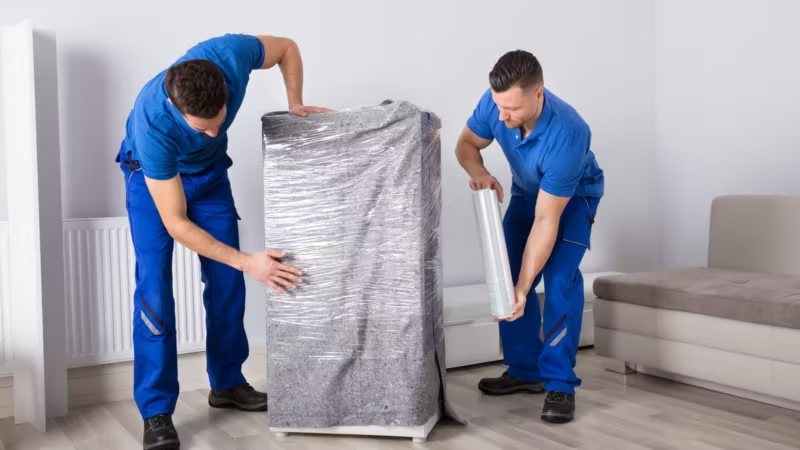


Can you move a piano up or down stairs?
Yes, and stairs are the first thing the survey asks about. The piano is boarded and wrapped in the room, the stair carry gets a crew sized for the weight, and the floors and rails along the path are protected before anything lifts. Uprights and grands come apart differently, which is why the survey names the instrument instead of guessing at it.
Will you move a safe?
Yes. Tell the survey the weight if you know it, and the access either way: which floor, how many stairs, how tight the turns. The crew arrives with the equipment those answers call for. A safe punishes guesswork harder than any other item in the house, so the survey is blunt about asking.
How are antiques and art protected?
They are crated in your home, in crates built around the piece, before anything moves. Condition is written on the inventory as each piece leaves and checked against that note at delivery. Placement is part of the job: the piece ends up in the room it belongs in, not in the nearest dry corner of a garage.
What is a high-value piece covered for if something goes wrong?
That is decided before the move, not after it. Full value protection is the federal default; released value pays sixty cents per pound and applies only if it was chosen in writing. Anything worth more than a hundred dollars a pound must be declared on the shipping documents, or liability for it may be limited. The moving insurance page walks through both levels.
Do you move pool tables and hot tubs?
Yes, as specialty pieces. A pool table travels as slates and frame, and the slates are the heavy half; a hot tub is an access question before it is a weight question. Both get named at the survey so the crew arrives with the plan and the equipment, not a theory.
Can a piano or a safe go into storage?
Yes. Storage in transit covers a specialty piece the same as the rest of the shipment, and it stores as it was prepped: boarded, wrapped or crated. Thirty days are included on a long distance move, and the release date is yours to set.
Will you move a single specialty item without a household move?
Sometimes, and it is quoted case by case rather than promised here: a lone piece pays for the whole stop unless it can ride a lane we are already running. Tell the coordinator the piece and the two ZIP codes and you will get a straight answer instead of a booking that disappoints.
Who decides whether an item needs a crate?
The survey does, with a simple test: crates exist for what fails at the edge or under flex — glass, stone, framed art, instruments with a soundboard. Padding inside a carton does not prevent either failure, so those pieces get a crate built on site around the object.
Name the piece, get the plan
One call. No deposit to get a price.
Price a specialty move
Two ZIP codes, a date and what the piece is. The coordinator who calls back will ask about stairs and access, because the plan is built from the answers.