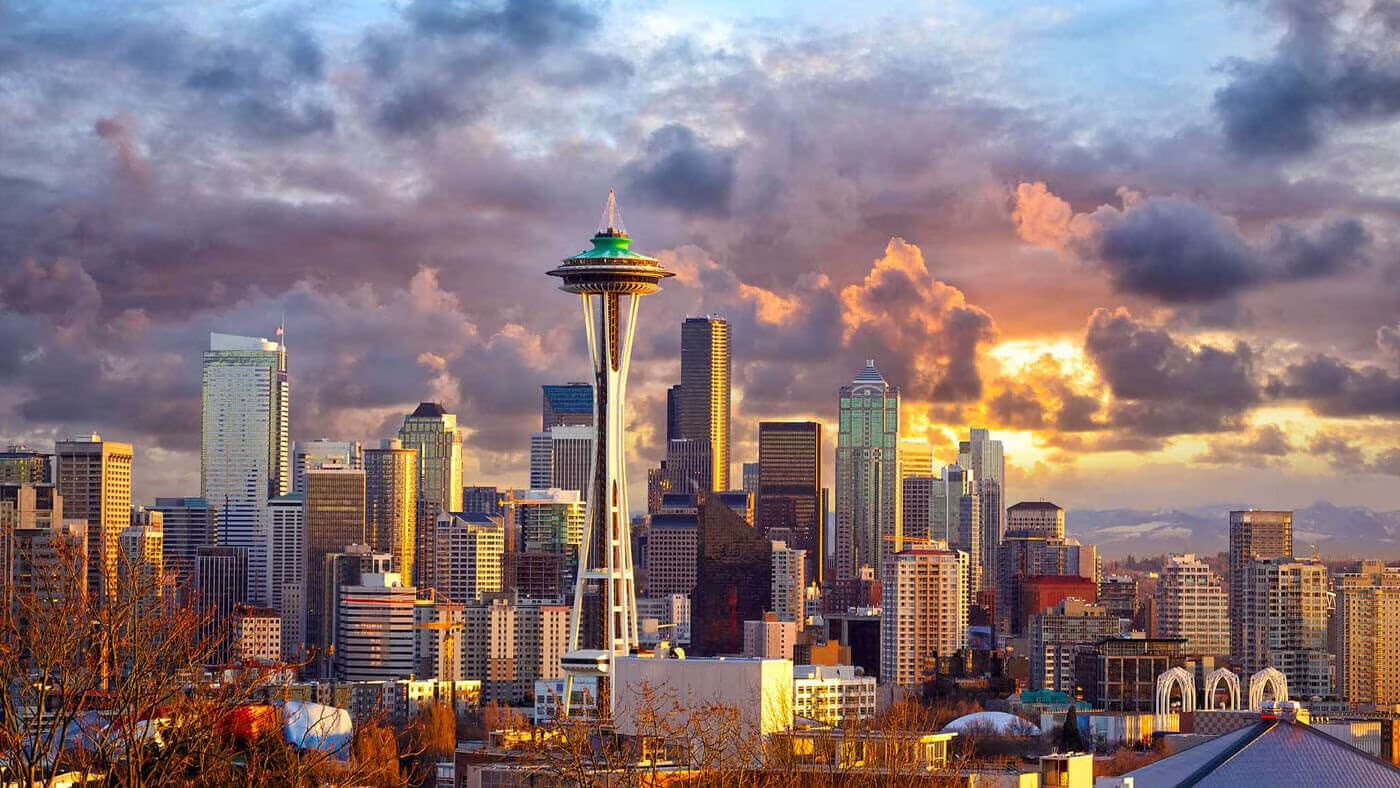
The Umbrella Myth Every Newcomer Falls For
Plenty of people arrive convinced that Seattle rains every single day, so they pack the biggest umbrella they can find. Here is the twist. Walk down the street holding a large umbrella, and locals will peg you as a tourist or a brand-new transplant within seconds.
The numbers back them up. Seattle actually gets less annual rainfall in inches than cities like New York, Atlanta, or Houston. What defines the Pacific Northwest weather is not the volume of rain but the gray season locals call the Big Dark. From late October through May, a low, steady overcast settles over the city and produces a soft, misty drizzle rather than heavy downpours.
So how do residents actually cope? They rely on quality waterproof layers instead of umbrellas. A good rain jacket with a sturdy hood keeps your hands free for your morning coffee, and breathable, water-resistant fabrics have become the unofficial city uniform. Newcomers are also surprised to learn that Seattle summers, running from July through September, are some of the finest in the country: long stretches of sunshine, almost no humidity, and comfortable days around 75 degrees Fahrenheit.
Understanding the Seattle Freeze
When you ask what living in Seattle is really like, someone will eventually mention the Seattle Freeze. It is a real social pattern, and it is widely misunderstood. People here are polite, helpful, and happy to chat with you at the grocery store or point you toward a great hiking trail. What they tend to avoid is opening up quickly or inviting new acquaintances into their homes. You will hear a friendly “we should grab coffee sometime” often, usually without any follow-up.
The way around it is simpler than it sounds: shared activities. This is a city of introverted hobbyists, so friendships form around common interests rather than small talk. Sitting at a bar rarely leads anywhere, but showing up regularly to the same group does. A few reliable ways to break the ice:
- Join a bouldering or climbing gym and become a regular face
- Sign up for a specialized book club or a hobby meetup
- Volunteer for trail maintenance or a local cleanup
- Find a tabletop or board gaming group that meets weekly
Pick something you genuinely enjoy, keep showing up, and the freeze thaws faster than its reputation suggests.
The Topography Will Surprise You
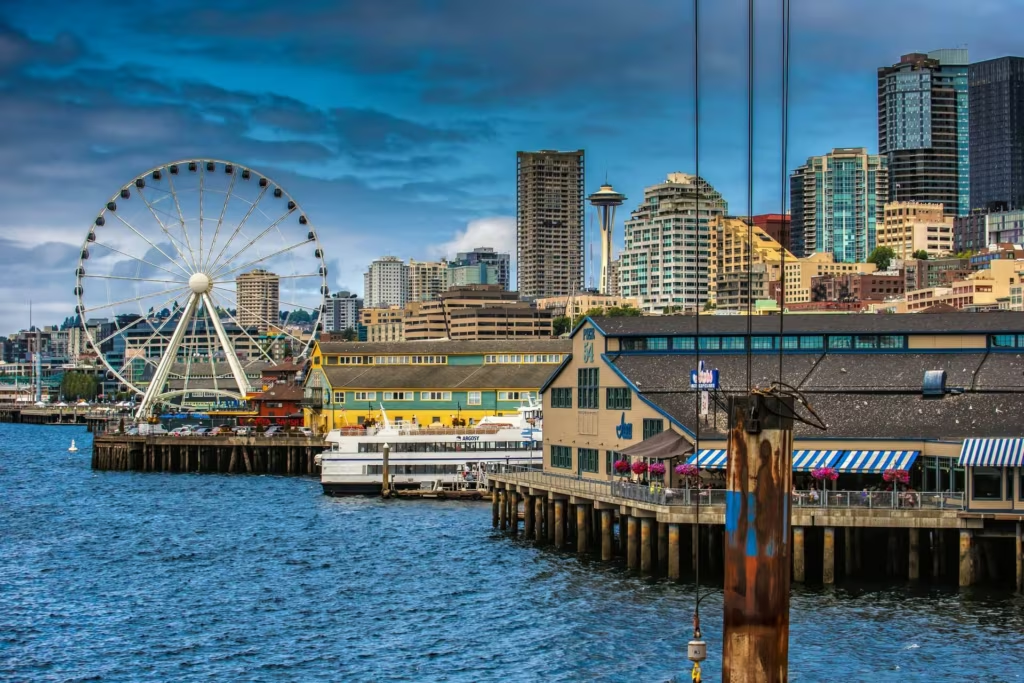
Many newcomers picture a compact, walkable city and assume a two-mile commute is an easy stroll. Then they meet the hills. Seattle is built on steep inclines, and the geography is shaped by water at every turn.
Your new apartment in Queen Anne or Capitol Hill might sit only a couple of miles from your downtown office, yet the elevation gain between the two is no joke. Walking those slopes in work clothes during a winter drizzle wears you out quickly. The city also sits on a narrow strip of land between Lake Washington and Puget Sound, which shapes how everyone gets around.
That geography controls the traffic too. Bridges on I-5 and SR-520 turn into major choke points during rush hour. If you settle on the Eastside in Bellevue or Redmond but work in South Lake Union, expect bridge congestion to define your daily commute. Factoring this in before you sign a lease saves a lot of regret later.
Everyday Expenses and a Realistic Seattle Cost Guide
If you are relocating from the Midwest or the South, the price tags can come as a shock. Getting familiar with the financial picture is one of the most useful relocation tips for moving to Seattle.
The Tax Trade-Off
Washington State has no state income tax, which sounds like a windfall for anyone taking a well-paid tech job. The state recovers that revenue elsewhere, though. Seattle carries one of the highest sales taxes in the country, often above 10 percent, along with steep gas taxes and vehicle registration fees (the RTA taxes that fund regional transit).
The True Cost of Living
Almost everything here runs above the national average, from a cup of artisanal coffee to a weeknight dinner out. Groceries, utilities, and everyday services all carry a premium. When you negotiate a salary, lean on a realistic Seattle cost guide so your new income actually supports the lifestyle you have in mind.
What to Expect From the Seattle Housing Market
Finding a place to live is often the most stressful part of the whole process, mostly because the market moves fast.
Renting is fiercely competitive. Landlords frequently work on a first-come, first-served basis for qualified applicants, so it is common to tour an apartment, apply from your phone while still standing in the living room, and still lose it to someone who applied without a viewing. Buying is no gentler. Even through market swings, Seattle real estate stays expensive, and bidding wars remain routine in the most desirable neighborhoods. Coming in with your finances organized and your paperwork ready gives you a real edge.
Best Neighborhoods in Seattle
The neighborhood you choose shapes your entire experience of the city. A few favorites among the best neighborhoods in Seattle, depending on the vibe you are after:
- Ballard: Great for craft breweries, independent boutiques, and a maritime feel. It has an established character and works almost like its own small city.
- Capitol Hill: The center of Seattle nightlife, its LGBTQ+ community, and the arts scene. Vibrant, lively, and densely packed.
- Fremont: The self-proclaimed “Center of the Universe,” a quirky pocket full of public art and a favorite for young professionals.
- West Seattle: A relaxed, beach-town feel with Alki Beach and skyline views. Slightly removed from the bustle, which suits families wanting a quieter pace.
Jobs and the Emerald City Economy
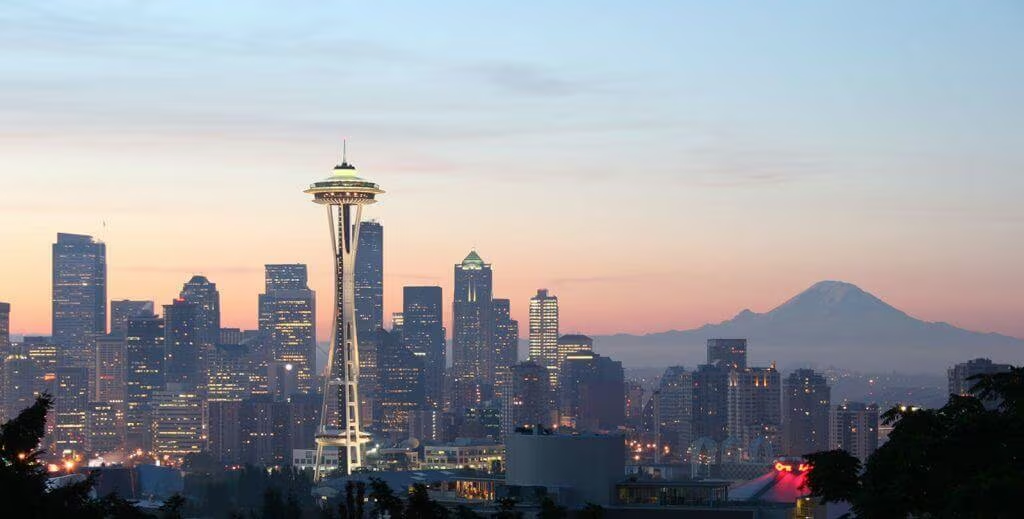
You cannot talk about moving to Seattle without touching on the economy that draws so many people here. The city is a leading global tech hub. Amazon and Microsoft are the household names, but engineering offices for Google, Meta, and Apple fill out the map as well.
The strength runs deeper than software. Seattle supports a major aerospace industry through Boeing, a growing biotech sector, and a solid maritime and green energy base. The job market is robust and competitive in equal measure, so it pays to arrive prepared and ready to make a strong impression.
How Life Changes When You Move to Seattle
Settling into the Pacific Northwest reshapes your daily habits in small but noticeable ways. A few shifts to expect:
- Coffee becomes a ritual. You are moving to the birthplace of Starbucks, yet locals revere independent roasters. Drive-thru espresso stands and very specific orders are simply part of the routine.
- The outdoors pulls you in. Weekends tend to point toward the mountains. Even if you have never hiked before, you may find yourself buying boots within your first year, with Mount Rainier, the Olympics, and endless trails so close by.
- The dress code relaxes. Formal business attire is rare. Even senior executives often show up in dark jeans, a quality fleece, and clean sneakers.

The Most Common Routes Into Seattle
Certain cross-country moving routes into Seattle come up again and again, and each one tells a familiar story:
- California to Seattle: Escaping state income tax and extreme heat while holding onto a West Coast lifestyle.
- Texas to Seattle: Trading flat terrain and long, hot summers for tech opportunities and mountain views.
- New York to Seattle: Swapping the finance and media capital for the tech and nature capital, and a concrete skyline for an actual forest.
Wherever you start, crossing state lines calls for careful planning. The distances involved leave little room for guesswork.

Why DIY Fails for a Cross-Country Move to Seattle
This is where the biggest miscalculation shows up: newcomers underestimate the physical and logistical reality of moving into the city itself. A do-it-yourself haul across the country is demanding on its own, and Seattle adds hyper-local challenges that can turn a routine move into a long, frustrating day.
Steep, Narrow Streets
Remember those hills? Neighborhoods like Queen Anne, Capitol Hill, and Magnolia feature sharp inclines, tight turns, and narrow single-lane roads. A full-size transcontinental moving truck simply cannot navigate them. Trying to muscle a large rental truck up those grades yourself risks getting stuck, damaging property, or wearing out the brakes.
The Weather Factor During Unloading
Move between October and April, and the odds strongly favor rain on your arrival day. Carrying furniture and cardboard boxes through a Pacific Northwest drizzle without proper protection leads to soaked upholstery and collapsing boxes. A little planning here protects the things you care about most.
Navigating Parking Permits
You cannot just double-park a moving truck on a Seattle street. The city requires official SDOT (Seattle Department of Transportation) moving truck permits to legally reserve curb space. Sorting out that paperwork from a thousand miles away is exactly the kind of task that overwhelms newcomers.
Working With Long-Distance Movers Who Know Seattle
A smooth arrival in the Emerald City comes down to choosing a partner who understands both the long haul and the fine details of the city. This is where long-distance movers Seattle relocations rely on show their value, and where Cross Country Movers Group pairs coast-to-coast experience with real knowledge of the local terrain and weather. A few of the ways an experienced team makes the difference:
- Weatherproof handling: Heavy-duty, water-resistant wrapping keeps furniture dry even when the crew is unloading in a classic Seattle drizzle.
- Shuttle service for steep hills: When a home sits on a slope that a long-haul trailer cannot reach, smaller shuttle trucks transfer your belongings safely up the grade.
- Flexible packing support: From custom crating for fragile pieces to full unpacking, the service adapts to what you actually need.
- Car shipping to Seattle: Fully insured auto transport means your vehicle is waiting when you land, ready for trips to the mountains, national parks, and the coast.
Handing the heavy logistics to a team that knows the routes, the roads, and the rain frees you to focus on the part that matters: settling into your new home.
FAQ
Do I really need a car in Seattle?
If you plan to live and work in central neighborhoods like Downtown, Capitol Hill, or South Lake Union and lean on the Light Rail, you can manage without one. The real magic of the region, though, sits just past the city limits. Reaching hiking trails, ski slopes, and coastal towns is far easier with a vehicle, which is why many newcomers arrange car shipping to Seattle rather than selling and rebuying.
How much should I save before moving?
Because housing and living costs run high, a common guideline is three to six months of living expenses set aside. Build in first and last month rent, a security deposit, and the cost of hiring professional movers so nothing catches you short.
Should I worry about earthquakes?
Seattle sits in a seismically active zone, so a little preparation is wise rather than alarming. Secure heavy furniture to the walls, keep a basic emergency kit at home, and learn your building safety protocols. None of this should hold you back from the move.
How do I handle the dark winters?
The short winter days can affect your mood. Locals manage it by taking Vitamin D, using daylight lamps at their desks, and getting outside during the brief daylight hours even when it is drizzling. Small habits add up to a big difference by February.
Your move to the Pacific Northwest should open a genuinely exciting chapter, not a stretch of logistical stress. Understand the weather, embrace the culture, and plan around the city terrain, and you are already ahead of the average newcomer. When you are ready to make the leap, Cross Country Movers Group is prepared to handle the distance, the hills, and everything in between.